

Fresh Milled
Field to Table
We feel better when we eat our bread. We don’t believe it’s just the better ingredients, but also the satisfaction of having made something our own and knowing what’s in it. And we want that for you. Know your food. Gain a new skill, and the confidence to be able to do something a little better for you and your family every week.
WHERE THIS ALL STARTED
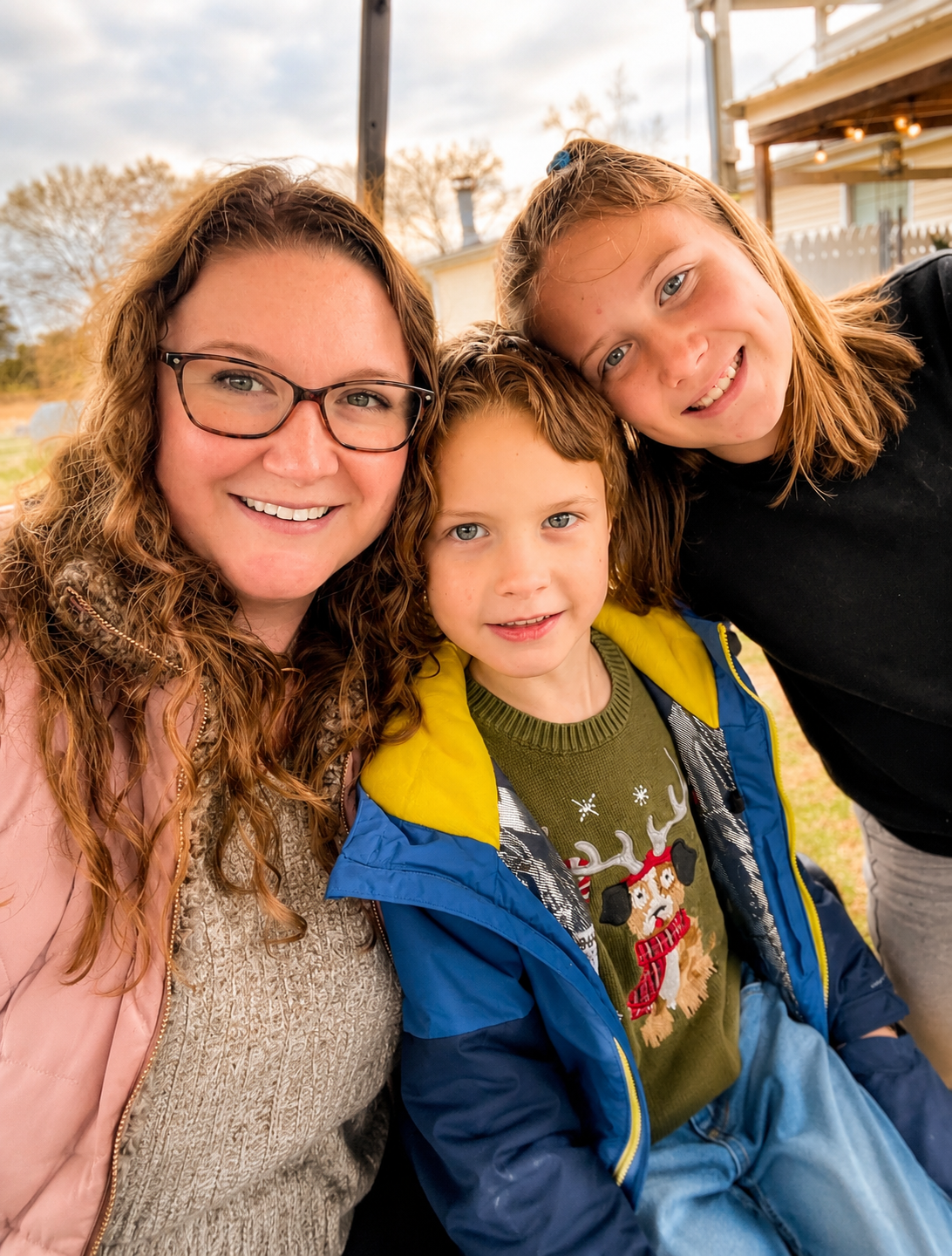
Shawn Guthrie
Cofounder & Head Baker
[Shawn quote]
Robert grew up on a small family farm outside Murray, Kentucky. Surrounded by tobacco farms, working a family garden, food bank shifts with his mom on weekends he learned the value of a hard day’s work and what it means when you don’t.
He put himself through Murray State, earning an engineering degree, and spend the next fifteen years in and out of the food & beverage industry. He learned how the industrial food system works from the inside, and what could be better.
He was there through Shawn’s illness, then faced his own health struggles years later. His journey taught them that pharmaceutical solutions often just provide patches, and don’t solve the underlying issues; which could be beginning with what we’re eating.
Together, they began a deliberate shift in what they consume. Not a hard stop, but a slow journey that they knew one day they’d love to bring others along with them on. Perhaps that way they could save some the years of guess work and trial and error they’ve gone through.
Shawn grew up baking in her grandmother’s kitchen in Henderson, Kentucky.
Her father ran a BBQ restaurant in town in the 1970’s. She learned two things from him: how to feed people well and why it matters that you do it right.
Then, at Murray State, her body stopped cooperating. Years of unexplained illness followed - the kind that doesn’t have a clean name at first. Eventually, the picture came into focus: severe gluten intolerance, plus reactions to the additives and processing agents in commercial bread.
There was no textbook answer for what to do with that, especially in rural Kentucky. So over the next 10 years, with no small amount of handiwork by God, her body began to heal as she made one healthier choice after another. One experiment, that led to another, as she slowly pieced together what commercial food processing does to our bodies and how to eat around it. Learning what worked by feel before ever being able to put a name to it.
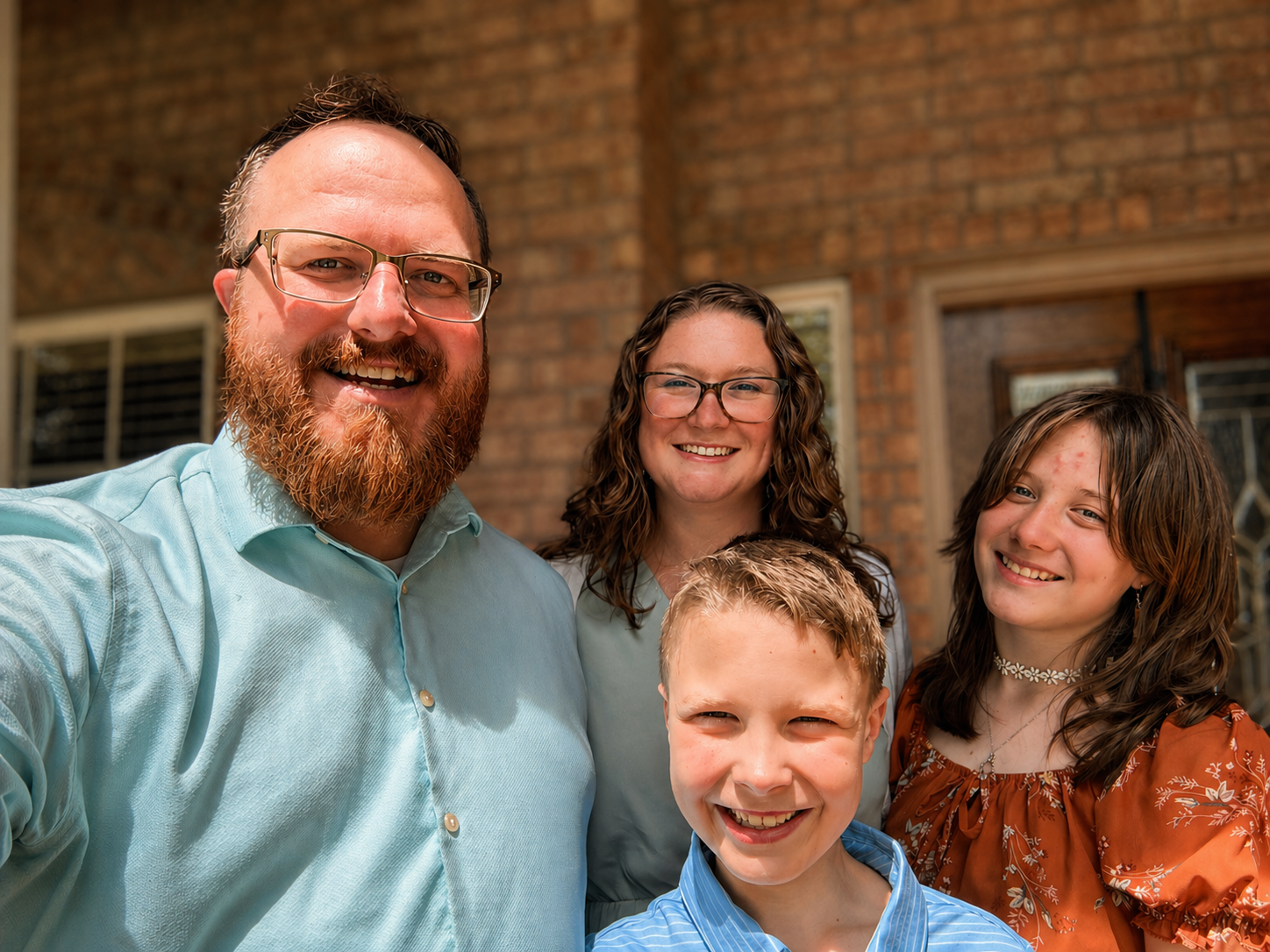
Robert Guthrie
Cofounder, Operations & Supply Chain
[Robert quote]
Why a mill?
They didn’t set out to build a grain company. When they discovered that even organic wheat is often sprayed or fertilized with synthetic or less-than-healthy additives that can’t be removed in processing, they set out to do something different for their family and friends. Expecting to have to sacrifice flavor, texture, and likely pay a high premium, what they found was almost the opposite.
Along the way they discovered that there are still good families out there who believe in growing a good product, at a fair price, and without cutting the corners that we all know costs our health. And surprisingly enough, the food they were able to make with the grains they found had better flavor, a surprising texture, and could be made affordable to the people of North Texas with the right mill partner.
What’s in a name?
Most people don’t know that this region has a name. The Cross Timbers. A belt of post oak woodland that runs through North-Central Texas. It’s a place where the deciduous forests of the East transition to the plains in the North and West. It’s where settlers from the North and East stopped and built their homes within the forests while farming the nearby plains. The more they considered the name of the region, the more fitting they found it as a name for the Guthrie’s new mill.
After moving to the region in the early 2020’s, the friend group that formed around Robert and Shawn mirrors the ecological region. A local family, who trace their roots several generations back here in North Texas. A former farmer from the far Northern plains in Minnesota. Cultures collided, meshed, and helped spark the ideas that became Cross Timbers Mill. The products they continue to develop are remarkably similar.
The wheat grown locally, here in the southern plains, has great flavor and texture, but often lacks the structure to support a good rise in baked goods. The wheat grown in the Northern Plains has a different problem, sometimes too much structure lending to a vastly different baking pattern. When mixed properly, they make a remarkably easy product to bake with.
So why Cross Timbers? The United States used to be home to tens of thousands of flour mills in the early 1900’s. Every community had their own and it was easy to know who grew what went into your bread. Robert and Shawn believe we can bring that mindset back again. Cross Timbers Mill & Grain was never intended to serve a national audience. It’s meant to serve the Cross Timbers region of Texas. A blending of knowledge, experience, food and flavors into something that is uniquely local and personal. That’s in part why we hand deliver every product we make and won’t be shipping any time soon.
What we’re building
Cross Timbers mill is being built with one family in mind; yours. Not just the family who grinds their own flour every morning, and not the family who never thinks about what’s in their food. It being built for us in the middle, who just want to make the next right choice for what to put on their tables.
Robert and Shawn believe you should know the farmers who grow your food; or at least buy from someone who does. This creates shorter supply chains, less waste, and typically better-tasting food. They want to give people the tools to make and eat better food at home. Not just on the days when you can bake a loaf of bread from scratch, but even when you’re crunched for time. That’s why they didn’t start looking for more and heritage grains when they made a great core blend flour, like most other grain companies. Instead, they chose to focus on recipes and easier-to-use mixes; flour for when you can bake, mixes when you’re more strapped for time, and flash frozen options when there’s little time left at all.
Along the way, as they learn new methods, find new farmers, better grains, and fun recipes, they want to share them with you.